
Online Thyroid Test Results: Unraveling the Digital Revolution in Healthcare
Introduction
In the digital age, healthcare has witnessed a profound transformation with the advent of online medical testing, particularly in specialized areas like endocrinology. This article delves into the realm of "online thyroid test results," exploring its definition, significance, and far-reaching impact on global health systems. As technology continues to advance, understanding how these digital solutions enhance healthcare accessibility and efficiency is paramount. We will dissect various aspects, from technological innovations to policy implications, to provide a comprehensive guide to this modern medical practice.
Understanding Online Thyroid Test Results
Definition and Components
Online thyroid test results refer to the process of conducting diagnostic tests for thyroid disorders and delivering the analyzed data to healthcare providers or patients via digital platforms. This includes blood tests that measure thyroid-stimulating hormone (TSH), thyroxine (T4), triiodothyronine (T3), and other relevant thyroid markers. The key components involve:
- Patient Registration: Individuals register for the online testing service, providing personal information and medical history.
- Test Request: Healthcare professionals or patients initiate a test request through an online portal, specifying the required tests.
- Sample Collection: Patients receive at-home test kits, which include instructions for collecting blood samples. These samples are then sent to labs for analysis.
- Laboratory Analysis: Advanced diagnostic labs process the samples and generate detailed reports on thyroid function.
- Result Delivery: Test results are securely uploaded to the patient's online account or shared directly with referring healthcare providers.
Historical Context and Significance
The concept of online thyroid testing emerged as a response to growing demand for convenient, accessible healthcare solutions. Historically, thyroid disorders were diagnosed through physical examinations and laboratory tests, often requiring multiple visits to healthcare facilities. The digital revolution brought about significant changes in this process:
- Early 2000s: Telemedicine gained traction, enabling remote consultations and basic diagnostic testing. However, comprehensive thyroid assessments remained largely in-person procedures.
- Mid-2010s: Advancements in point-of-care testing and digital health platforms allowed for more accessible and faster results. This era marked the beginning of online thyroid test services.
- Present Day: With improved technology and a push towards patient empowerment, online thyroid testing has become a viable alternative, especially for follow-up tests and monitoring thyroid conditions.
Global Impact and Trends
The impact of online thyroid test results is felt worldwide, with varying levels of adoption and regulation across regions:
| Region | Adoption Rate | Regulatory Environment |
|---|---|---|
| North America | High | Strict regulations ensure data privacy and security. Many states have specific guidelines for online healthcare services. |
| Europe | Moderate to High | The EU's General Data Protection Regulation (GDPR) sets a high bar for data protection, influencing how online testing services operate. Individual countries may have additional requirements. |
| Asia-Pacific | Growing | Countries like Australia and Japan have favorable regulatory frameworks, while others are still developing guidelines. The rise of digital healthcare is particularly notable in South Korea and Singapore. |
| Middle East & Africa | Variable | Some countries have embraced online testing due to limited healthcare infrastructure, while others face challenges with data privacy and healthcare system regulations. |
Economic Considerations
Market Dynamics
The global thyroid testing market, encompassing both online and traditional methods, is experiencing steady growth. Key factors driving this trend include:
- Increasing Prevalence of Thyroid Disorders: Conditions like hypothyroidism and hyperthyroidism are more prevalent than ever, creating a consistent demand for testing services.
- Aging Population: As populations age, the risk of thyroid disorders increases, leading to higher testing needs.
- Digital Health Integration: The integration of online testing into existing healthcare systems offers convenience and cost savings, attracting both patients and providers.
Investment Patterns
Investments in digital health startups, including online thyroid testing platforms, have been on the rise. Venture capital firms recognize the potential for:
- Improved Patient Access: Online tests provide easier access to care, particularly for individuals in remote areas or with limited mobility.
- Reduced Healthcare Costs: Digital solutions can streamline processes, reduce lab and administrative costs, and lower overall healthcare expenditure.
- Data Insights: Aggregate data from online tests can offer valuable insights into thyroid health trends, aiding research and personalized medicine.
Technological Advancements
Innovations in Online Testing
Technological advancements have played a pivotal role in shaping the landscape of online thyroid testing:
- Point-of-Care Devices: Small, portable devices that enable patients to perform tests at home with immediate results. These devices use rapid immunoassay technologies for TSH measurements.
- Digital Health Platforms: User-friendly online platforms that facilitate test requests, result tracking, and secure data sharing between patients and healthcare providers.
- Mobile Applications: Dedicated apps offer test reminders, educate users about thyroid health, and provide remote consultation services.
- Artificial Intelligence (AI): AI algorithms enhance diagnostic accuracy by analyzing test results and identifying patterns indicative of thyroid disorders.
Impact and Future Potential
These technological innovations have led to:
- Improved Accuracy: Advanced lab technologies and AI ensure more precise and reliable test results, enhancing diagnostic confidence.
- Enhanced Patient Experience: Home testing kits and digital platforms provide convenience, privacy, and control over one's healthcare.
- Personalized Medicine: Analyzing large datasets from online tests can help identify genetic markers and environmental factors associated with thyroid conditions, leading to personalized treatment approaches.
In the future, we can expect:
- Wider Adoption: As technology becomes more accessible and user-friendly, online testing is likely to gain widespread acceptance globally.
- Integration with Wearables: Smartwatches and other wearable devices may integrate thyroid monitoring functions, providing continuous health data.
- Telehealth Expansion: The combination of online testing and telemedicine will enable remote management of thyroid conditions, improving access to specialized care.
Policy and Regulation
Governance and Frameworks
The regulatory landscape for online thyroid test results varies across jurisdictions but is crucial in ensuring patient safety, data privacy, and quality assurance:
- Data Privacy Laws: Regulations like GDPR in Europe, HIPAA in the US, and similar acts globally protect patient data and govern how healthcare providers and digital platforms handle personal information.
- Medical Device Regulations: Authorities such as the FDA (US) or EU's Medical Devices Regulation ensure that point-of-care devices meet safety and performance standards.
- Healthcare Licensing: Healthcare professionals conducting online tests must adhere to local licensing requirements, including specific training and qualifications.
Influences on Development
Policymakers play a critical role in shaping the future of online thyroid testing:
- Reimbursement Policies: Government decisions on insurance coverage for online tests impact their affordability and accessibility.
- Data Sharing Incentives: Encouraging secure data sharing between healthcare providers, researchers, and patients can drive innovation and improve thyroid health management.
- Digital Health Infrastructure: Investments in digital infrastructure and healthcare technology enable better integration of online testing services into existing healthcare systems.
Challenges and Criticisms
Overcoming Barriers
Despite its numerous benefits, online thyroid testing faces several challenges:
- Regulatory Compliance: Navigating varying regulatory requirements across regions can be complex for digital health companies. Ensuring compliance while maintaining global reach is a significant challenge.
- Patient Education: Educating patients about test procedures and interpreting results accurately is essential to prevent misuse or misdiagnosis.
- Data Security: Protecting sensitive healthcare data from cyberattacks and unauthorized access is paramount, requiring robust security measures.
Proposed Solutions
Addressing these challenges requires a multi-faceted approach:
- Global Harmonization: Standardizing regulations and developing international guidelines for online health testing can facilitate cross-border service provision.
- Patient Education Campaigns: Healthcare providers and digital platforms should collaborate on raising awareness about thyroid health, test procedures, and result interpretation.
- Enhanced Security Measures: Adopting advanced encryption techniques, two-factor authentication, and regular security audits can mitigate data security risks.
Case Studies
Successful Implementations
Several countries have successfully integrated online thyroid testing into their healthcare systems:
Case Study 1: United States - LabCorp LabCorp, a leading diagnostic services company, offers at-home thyroid tests with same-day results. Their platform allows patients to receive personalized interpretative reports and follow-up recommendations from healthcare providers. This service has been particularly popular among individuals managing thyroid conditions remotely.
Case Study 2: United Kingdom - MyTherapy MyTherapy, a digital health startup, provides an online testing service for various conditions, including thyroid disorders. Their platform connects patients to specialists, facilitates test requests, and offers remote consultations. This comprehensive approach has improved access to specialized care in underserved areas.
Case Study 3: Australia - ThyroTech ThyroTech pioneered a point-of-care device that enables patients to measure their TSH levels at home with a simple finger prick. The company's partnership with local healthcare providers ensures proper testing and follow-up, making it an accessible and convenient option for Australians.
Future Prospects
Growth Areas
Looking ahead, several sectors within online thyroid testing are poised for significant growth:
- Remote Monitoring: Wearable devices and continuous monitoring technologies will enable patients with stable thyroid conditions to track their hormone levels remotely.
- AI-driven Personalized Medicine: Advanced AI algorithms will analyze individual test data, genetic profiles, and environmental factors to offer personalized treatment plans.
- Global Reach: With improved digital infrastructure, online testing services can overcome geographical barriers, providing access to specialized thyroid care worldwide.
Emerging Trends
Emerging trends include:
- Digital Health Ecosystems: Integrating online thyroid testing into larger digital health ecosystems that link patients, providers, and wearables for a holistic approach to wellness.
- Telehealth Integration: Expanding telemedicine services to include remote monitoring and management of thyroid conditions, bridging the gap between virtual care and in-person visits.
- Genomics and Precision Medicine: Utilizing genetic testing alongside online thyroid tests to identify individuals at higher risk of developing thyroid disorders, allowing for proactive interventions.
Conclusion
Online thyroid test results represent a significant advancement in healthcare technology, offering improved access, convenience, and efficiency in managing thyroid conditions. As the digital health landscape evolves, these online services will play a pivotal role in shaping the future of endocrinology and healthcare delivery worldwide. By addressing challenges, adopting innovative technologies, and navigating regulatory frameworks, online thyroid testing has the potential to revolutionize patient care and outcomes.
FAQ Section
Q: How accurate are at-home thyroid tests compared to traditional laboratory tests? A: At-home tests have shown promising accuracy rates, especially for measuring TSH levels. However, they may not detect subtle variations in thyroid hormones as precisely as lab tests. Regular follow-up tests with professional guidance are essential for maintaining optimal thyroid health.
Q: Can online thyroid testing replace traditional in-person consultations? A: While online testing provides convenience, it does not entirely replace traditional consultations. In-person visits allow for a comprehensive assessment, physical examination, and immediate feedback from healthcare providers. Online tests are best utilized as a follow-up tool or for monitoring stable conditions.
Q: What data security measures should patients look out for when using online thyroid testing services? A: Patients should ensure the following: encrypted data transmission, secure storage of personal information, privacy policies outlining data use, and regular security audits by the service providers. Reputable companies will prioritize patient data protection in line with relevant regulations.
Q: How can I interpret my online thyroid test results? A: Online platforms typically provide easy-to-understand interpretive reports. These guides explain what each result means in the context of your health. For complex cases, healthcare providers offer expert advice to help patients understand their results and take appropriate action.
Q: Are there any financial implications associated with online thyroid testing? A: The cost of online thyroid tests varies globally and depends on factors like test type, location, and insurance coverage. Some services may be fully or partially covered by insurance, while others require out-of-pocket expenses. Comparing costs and understanding insurance policies is essential for budget planning.
Category: online thyroid test results
High T3/T4 Causes: Online Thyroid Test Reveals Imbalances
Read more →
High T3/T4 Causes: Interpreting Online Thyroid Test Results
Read more →Unveiling High T3/T4 Causes: Interpret Online Thyroid Test Results
Read more →
High T3/T4 Causes: Online Thyroid Test Results Unveiled
Read more →
Understanding Thyroid Imbalance: Online Test Results & Causes
Read more →
Unravel High T3/T4 Causes: Online Thyroid Test Interpretations
Read more →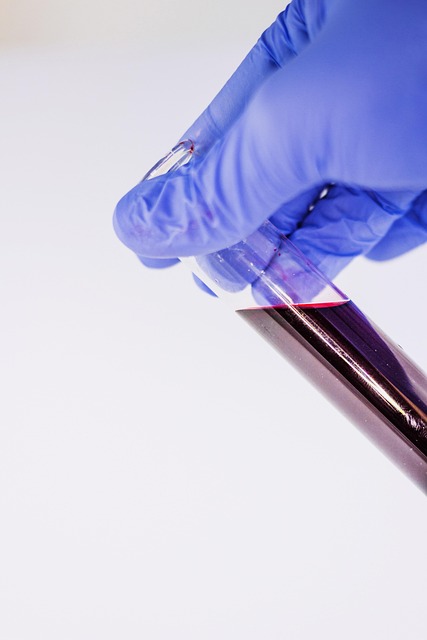
Interpreting Online Thyroid Test Results: Normal vs. Abnormal
Understanding online thyroid test results naturally requires knowledge of key markers (TSH, T3, T4).......
Read more →

Diagnosing Thyroid Disorders: From Symptoms to Online Test Results
Thyroid function impacts overall health, with disorders presenting diverse symptoms. Common indicato.......
Read more →

Online Thyroid Testing: Accurate Results for Peace of Mind
Online thyroid test results naturally offer convenient access to assess endocrine health, but accura.......
Read more →

Understanding Elevated TSH: Online Thyroid Test Insights & Treatment
Elevated TSH levels in online thyroid test results signal potential thyroid dysfunction. Causes vary.......
Read more →

Interpret Online Thyroid Test Results: Normal vs. Abnormal Levels
Online thyroid test results naturally provide initial hormone levels (TSH, T3, T4) crucial for diagn.......
Read more →

Natural Remedies for Hypothyroidism: Online Test Results Guide
Hypothyroidism, an underactive thyroid gland, impacts millions globally. Management involves dietary.......
Read more →

Master at-home thyroid testing: Accurate results for better health
Online thyroid test results naturally offer a convenient way to monitor thyroid health at home. Choo.......
Read more →

Unlocking Thyroid Secrets: Online Test Results Decoded
Interpreting online thyroid test results requires professional guidance due to varying normal ranges.......
Read more →

Unlock Thyroid Health: Online Tests & Local Packages Near You
Online thyroid test results offer convenient access to thyroid health insights, crucial for overall.......
Read more →

Understanding Thyroid Abnormalities: Interpreting Online Test Results
Online thyroid test results are a valuable tool for assessing overall health, as thyroid function im.......
Read more →

Reliable Thyroid Tests: Online Resources for Accurate Results
Thyroid health significantly impacts overall well-being, requiring specialized blood tests for accur.......
Read more →

Bulk Buy Thyroid Test Strips: Natural Testing at Home
Bulk purchasing thyroid test strips offers convenient, cost-effective home testing for online thyroi.......
Read more →

Online Thyroid Testing: Decode Results, Manage Conditions
Online thyroid test results naturally empower individuals to monitor their thyroid health convenient.......
Read more →

Unravel Fatigue: Understanding Thyroid Test Results
Fatigue often links to thyroid disorders, notably hypothyroidism. Online thyroid test results offer.......
Read more →

Unlocking Thyroid Secrets: Online Test Interpretation Made Easy
Online thyroid test results offer a starting point for managing health effectively. Key hormones (T3.......
Read more →

Online Thyroid Test Results: Understanding Doctor's Orders
The thyroid gland's function is vital for overall health, with hormones T3 and T4 regulating en.......
Read more →

Spot Low Thyroid Hormones: Interpret Online Test Results
Recognizing thyroid hormone imbalances is crucial for timely intervention. Online thyroid test resul.......
Read more →

Low Thyroid Hormones: Online Test Interpretation & Natural Support
Hypothyroidism, affecting millions globally, requires early detection. Online thyroid test results n.......
Read more →

Balance Thyroid with Diet: Online Test Results & Natural Remedies
The thyroid gland's role in energy regulation makes its abnormal function a significant health.......
Read more →

Natural Remedies for Hypothyroidism: Online Test Results Guide
Hypothyroidism management involves understanding online thyroid test results naturally, dietary adju.......
Read more →

Reliable Thyroid Testing: Online Results & Local Comparisons
Online thyroid test results naturally offer convenient access to thyroid health assessments, but acc.......
Read more →

Unravel High T3/T4 Causes: Interpreting Online Thyroid Test Results
The thyroid gland's metabolism role is critical, with T3 and T4 hormones affecting overall heal.......
Read more →

Balancing Diet & Thyroid: Interpreting Online Test Results
Online thyroid test results naturally provide a starting point for managing hyperthyroidism. Key ins.......
Read more →

Uncovering Underactive Thyroid Symptoms Through Online Tests
Women's thyroid health is crucial for overall well-being. Online thyroid test results offer ini.......
Read more →

Natural Support for Hypothyroidism: Test Results, Diet & Lifestyle Changes
Hypothyroidism, an endocrine disorder causing metabolic imbalances, requires comprehensive managemen.......
Read more →

Nutrition Guide: Balancing Thyroid with Online Test Results
Understanding thyroid function is key to diet selection. Online thyroid test results identify imbala.......
Read more →

Master Thyroid Health: Accurately Diagnose, Effectively Manage
Thyroid conditions, impacted by autoimmune responses and environmental factors, require accurate dia.......
Read more →

Navigating Online Thyroid Test Results: Reputable Providers Guide
Online thyroid test results naturally provide initial insights into thyroid function but require car.......
Read more →

Herbal Supplements: Navigating Optimal Thyroid Regulation via Online Test Results
The thyroid gland's role in metabolism necessitates careful regulation. Herbal supplements like.......
Read more →

Optimize Thyroid Health: Online Test Results & Dietary Solutions
Online thyroid test results naturally initiate management of overactive thyroids (hyperthyroidism)........
Read more →

Unlocking Thyroid Secrets: Online Test Results Explained
Understanding online thyroid test results is vital for managing health effectively. Key markers incl.......
Read more →

Interpreting Online Thyroid Test Results: Optimizing Health
Understanding thyroid function is crucial for interpreting online thyroid test results. Key hormones.......
Read more →

Online Tests, Pharmacies, & Insurance: Save on Thyroid Meds
Optimizing thyroid medication costs involves comparing synthetic vs natural hormones, exploring at-h.......
Read more →

Decoding Online Thyroid Tests: Guide to Healthy Results
Understanding online thyroid test results is crucial for monitoring metabolic health. Key hormones l.......
Read more →

Understanding Thyroid Dysfunction: Interpret Online Test Results
The thyroid gland's influence on metabolism necessitates regular monitoring through online thyr.......
Read more →

Online Thyroid Test Costs: Navigate Without Insurance
Online thyroid test results provide convenient access to monitor key hormones (T3, T4) crucial for m.......
Read more →

Balance Your Thyroid: Online Tests & Natural Home Remedies
An overactive thyroid (hyperthyroidism) results from excessive T4/T3 production, causing symptoms li.......
Read more →

Online Thyroid Tests: Understanding Results & Local Options
Online thyroid test results naturally provide insights into hormone production (T3, T4), influencing.......
Read more →

TSH Levels: Online Tests Uncover Thyroid Health Secrets
The Thyroid Stimulating Hormone (TSH) is a vital marker for thyroid health, with normal ranges (0.4-.......
Read more →

Herbal Supplements: Navigating Thyroid Health with Online Test Results
The thyroid gland regulates metabolism through hormones impacting heart rate, digestion, energy, and.......
Read more →

Uncovering Thyroid Imbalance: Online Tests & Natural Remedies for Women
Understanding thyroid function is crucial for women's health. Online thyroid test results can h.......
Read more →

Mastering Thyroid Health: Accurate Online Test Results at Home
At-home thyroid testing kits offer convenient access to online results, empowering individuals to mo.......
Read more →

Bulk Thyroid Test Strips: Online Testing for Wellness
Understanding thyroid health is crucial for overall well-being, impacting metabolism and various bod.......
Read more →